When automation meets real life
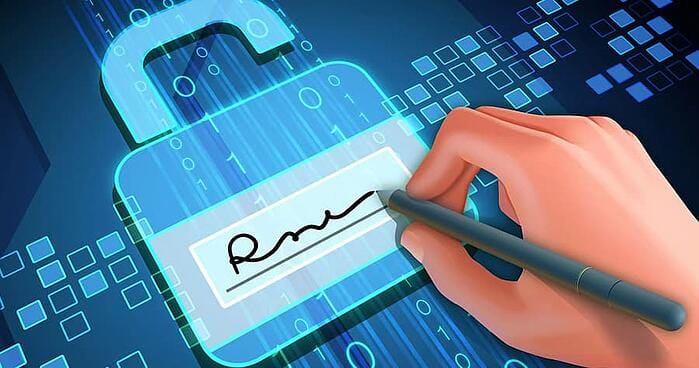
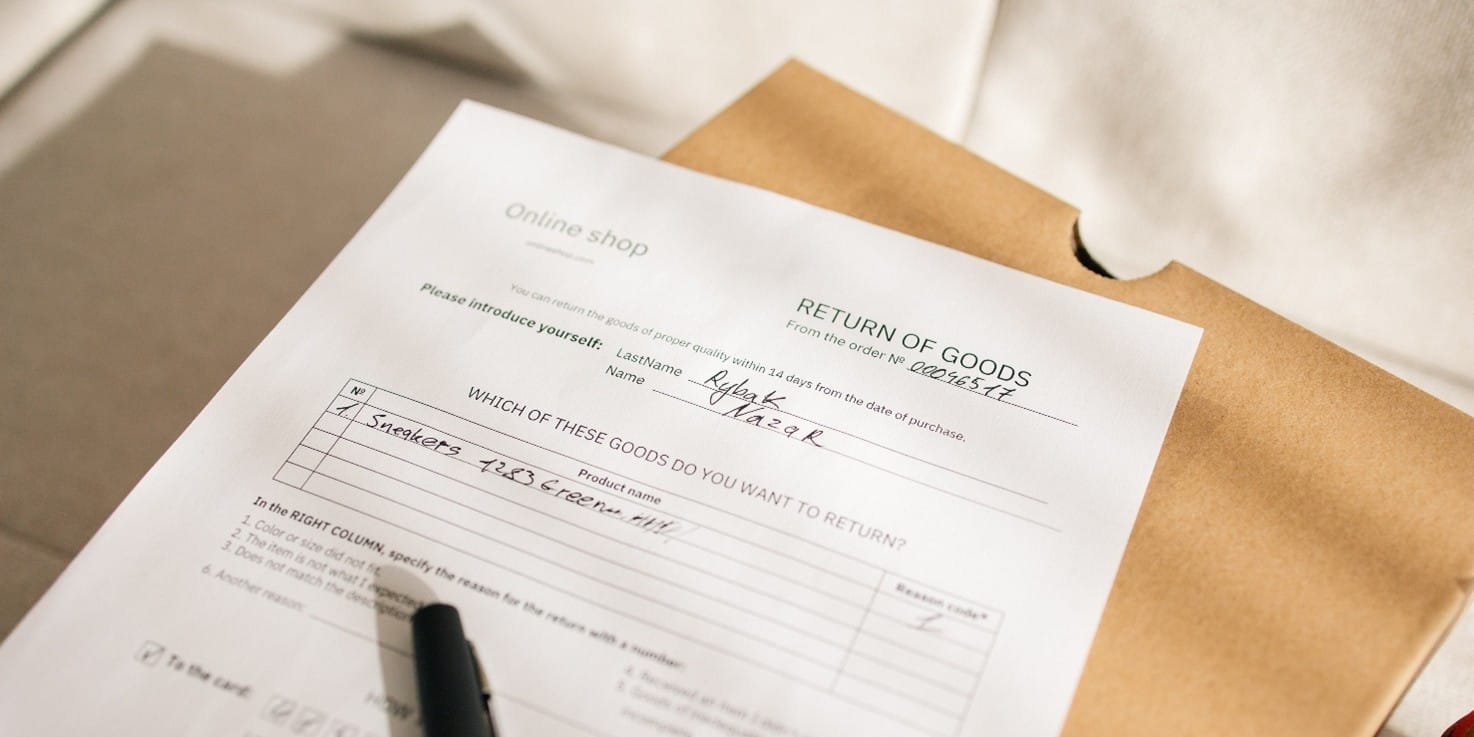
Imagine you run a busy HR or finance department. You’ve invested in scanning and digitising your paperwork, expecting smoother workflows. Yet your team still spends hours checking scanned forms where handwritten fields didn’t process correctly. It’s not that OCR failed; it’s that the real world doesn’t always fit in neat boxes. ICR changes this by reading handwriting with machine learning precision. Whether it’s a signature, a delivery note written in cursive, or a feedback form filled out on the go, ICR can recognise it, interpret it, and feed it straight into your digital workflow. And here’s the best part: OCR and ICR don’t compete; they work together. Together, they form the foundation of a new generation of document automation known as Intelligent Document Processing (IDP). Take the example of a real-world success story that went from chaos to calm: Piening Personal, one of Germany’s largest personnel services providers. Every month, their teams handle thousands of time-tracking records from more than 80 locations. Some arrive in modern digital formats; others are scanned paper forms, emailed spreadsheets, or handwritten logs. Before implementing DocuWare, staff had to manually retype data or tweak rigid templates whenever a layout changed. Payroll deadlines became stress points. With DocuWare, powered by OCR, ICR, and AI, the system now automatically reads, validates, and imports every document, whether typed or handwritten. Human review is only triggered when something truly unusual appears. Once a document type is recognised, it’s processed seamlessly from then on. This resulted in data entry dropping dramatically, and eliminating bottlenecks during payroll peaks. Now the team focuses on value-added work instead of repetitive checks.Why this matters for every organisation
Despite the digital age, paper isn’t disappearing anytime soon. A recent study by the Association for Intelligent Information Management (AIIM) found that over 60% of document processes still involve paper, and almost half of organisations expect those volumes to grow next year. This study demonstrates how the fusion of OCR, ICR, and AI is an essential tool for the modern workplace. Here’s what it delivers:- Fewer manual touchpoints: Documents are captured, classified, and validated automatically.
- Smarter data capture: The system learns and improves accuracy over time.
- Compliance and security: Sensitive information is redacted, stored, and shared securely.
- Seamless integration: Works effortlessly with your accounting, HR, and CRM systems.
- Scalable automation: From supplier invoices to handwritten inspection reports.
The future is readable.
Every business wants to move faster, reduce errors, and empower its teams. The ability to accurately capture data, whether typed, scanned, or handwritten, is the bridge that makes true automation possible. Docuworx, powered by DocuWare, brings together OCR, ICR, and AI to ensure that no document, no matter how messy or complex, is left behind. From scribbles to signatures, your business data becomes instantly usable, accurate, and secure. Because in a world where every second counts, automation should read between the lines, literally.Explore how Docuworx Digital Forms & Data Capture solutions can support your organisation.