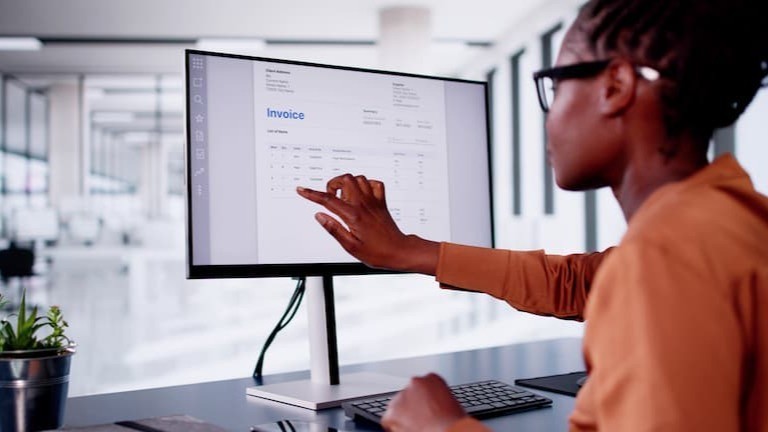
That is why User Interface matters. Assume an invoice arrives while the finance manager is in a meeting. It needs approval before the afternoon payment run, but the approver is working offsite. The invoice is in one system, the purchase order is somewhere else, and correspondence about a price difference is buried in email.
The business has software for every part of the process. Yet someone still has to piece together what is happening and chase a decision.
Instances like this are where the system experience matters. People should be able to see what needs their attention, understand the context and take the next step without searching across applications or asking other colleagues to explain the process.
Less effort between receiving a document and making a decision
For many Australian businesses, documents sit at the centre of important work: paying suppliers, onboarding employees, approving contracts and responding to customers. These processes rarely involve one person from start to finish. Information passes between teams, locations and sometimes external parties.
When that journey is hard to follow, small delays add up. Staff save copies locally because they cannot find the right document. Approvals move into email because it feels quicker. Managers ask for status updates because they cannot readily see where work stands.
A modern user experience helps bring that work into view. The person receiving a task can understand what it relates to, review the information they need and act with confidence. The next person can see the outcome without retracing the entire conversation.
The benefit shows up in everyday moments: fewer follow-up calls, less time spent searching, and less uncertainty about who is responsible.
Designed around the work people actually do
At Docuworx, we have spent years helping organisations use the DocuWare platform to manage documents and automate business processes. We have learned that a solution’s success depends on more than what the platform can do. It depends on whether people can use it comfortably during a busy day.
That thinking has shaped our new, modern user experience. We focus on making the interaction with a process clearer for the people involved, while connecting their work to the document management, workflow and controls behind it.
An accounts team needs to deal with invoices and exceptions. A manager needs enough context to approve a request. An HR team needs to know which employee records require action. They do not all need to navigate the same process in the same way. The experience should reflect each person’s role and the decision in front of them.
It should also make sense wherever work happens. An approval should not become a bottleneck simply because the right person is away from their desk.
Easier to use, easier to govern
Making work simpler for users should also give the business better visibility. When documents, decisions and actions follow a defined process, it becomes easier to see what has been completed, what is waiting and where an exception needs attention.
That matters as much to a growing business as it does to a large organisation. The right people need access to the right information. Records need to be retained appropriately. Managers need confidence that a process is being followed, even when it crosses departments or locations.
A well-designed experience helps people follow that process naturally. Clear tasks and relevant information reduce the temptation to create private spreadsheets, circulate uncontrolled copies or rely on someone’s memory to keep work moving. Security and compliance become part of how work gets done.
The real test of a better user experience
A polished screen can make a good first impression. The more useful questions come a few weeks later.
Can a new employee find what they need without repeatedly asking for help? Can an approver understand a request quickly enough to make a sound decision? Can a manager see where work is held up? Can the business maintain a reliable record of what happened?
Those are the outcomes we consider when designing a solution. They are also the best way to judge whether an investment in technology is making work easier.
If your organisation already has capable systems but people still spend too much time searching, chasing and working around them, the opportunity may be in how they experience the process. Talk to Docuworx about where that friction occurs and how to give your people a clearer way to work.